
Defense Strategies Explained: Protecting Your Rights in Arizona

Facing criminal charges such as DUI or domestic violence in Scottsdale can quickly turn your life upside down. Arizona’s legal system is known for its complexity and strict enforcement, making it crucial to understand the importance of a defense strategy. Knowing how defense attorneys analyze evidence, protect your constitutional rights, and challenge the prosecution’s case gives you the confidence to make informed choices about your legal path ahead.
Table of Contents
- What Is A Defense Strategy In Criminal Law
- Types Of Criminal Defense Strategies In Arizona
- Constitutional Rights And Legal Protections
- How Evidence Is Challenged In Court
- Risks, Mistakes, And Choosing The Right Defense
Key Takeaways
| Point | Details |
|---|---|
| Defense Strategy Importance | A well-developed defense strategy is essential for protecting individual rights and challenging prosecution claims in criminal cases. |
| Types of Defense Strategies | Arizona employs various defense strategies tailored to specific circumstances, such as alibi, self-defense, and insanity defenses. |
| Constitutional Protections | Fundamental constitutional rights provide critical safeguards in criminal proceedings, impacting defense strategies and outcomes. |
| Risks of Inadequate Defense | Failing to understand legal rights or making uninformed choices can severely undermine defense efforts, emphasizing the need for early legal consultation. |
What Is a Defense Strategy in Criminal Law
A defense strategy in criminal law represents a comprehensive legal approach designed to protect an individual’s rights and challenge the prosecution’s case against them. Unlike popular television portrayals, criminal defense is a nuanced process that involves carefully analyzing evidence, identifying legal weaknesses, and presenting strategic arguments to mitigate potential criminal charges.
At its core, a defense strategy involves several critical components:
- Analyzing prosecution evidence for inconsistencies or procedural errors
- Identifying potential legal violations during investigation or arrest
- Developing alternative narratives that challenge the prosecution’s version of events
- Exploring legal defenses that could reduce or eliminate potential penalties
Criminal defense strategies are fundamentally about protecting individual legal rights through systematic legal examination. These strategies can range from complete exoneration to negotiating reduced charges, depending on the specific circumstances of each case.
The primary objective of any criminal defense strategy is to create reasonable doubt about the prosecution’s allegations. This might involve challenging witness credibility, presenting alternative explanations for evidence, or demonstrating that law enforcement did not follow proper legal procedures during an investigation or arrest.
A successful defense strategy isn’t about proving absolute innocence, but about ensuring the prosecution meets its burden of proving guilt beyond a reasonable doubt.
Defense attorneys typically develop strategies by meticulously reviewing:
- Arrest documentation
- Police reports
- Physical and testimonial evidence
- Potential witness statements
- Constitutional rights protections
Pro tip: Always consult with a criminal defense attorney immediately after an arrest to ensure your legal rights are protected from the earliest stages of criminal proceedings.
Types of Criminal Defense Strategies in Arizona
In Arizona’s complex criminal justice system, defense attorneys employ multiple strategic approaches to protect their clients’ rights and challenge prosecution arguments. Criminal justice studies reveal that effective defense strategies are not one-size-fits-all, but carefully tailored to the specific circumstances of each case.
The primary types of criminal defense strategies in Arizona include:
- Alibi Defense: Proving the defendant was elsewhere when the crime occurred
- Self-Defense: Demonstrating the defendant’s actions were necessary to protect themselves
- Insanity Defense: Arguing the defendant could not understand the nature of their actions
- Mistake of Fact: Showing the defendant misunderstood a critical element leading to the alleged crime
- Consent Defense: Indicating the alleged victim agreed to the action
- Entrapment: Proving law enforcement improperly induced the criminal behavior
Each defense strategy requires meticulous preparation and a deep understanding of Arizona’s legal landscape. Criminal justice reforms emphasize the importance of evidence-based approaches that protect defendants’ constitutional rights while addressing systemic challenges.

Here’s a comparison of common criminal defense strategies in Arizona and when each is typically used:
| Strategy Type | Main Objective | Best Used When | Potential Outcome |
|---|---|---|---|
| Alibi | Establish absence | Defendant was elsewhere | Case dismissal or acquittal |
| Self-Defense | Justify actions | Harm was to prevent threat | Charges reduced or dropped |
| Insanity | Question capacity | Mental illness involved | Commitment or acquittal |
| Entrapment | Challenge inducement | Law enforcement encouraged crime | Charges dismissed |
| Mistake of Fact | Reveal misunderstanding | Key facts were misinterpreted | Reduced sentencing |
| Consent | Prove agreement | Victim gave permission | Charges dismissed or reduced |
A successful defense strategy transforms legal challenges into opportunities for justice, revealing the nuanced complexities of individual cases.
Defense attorneys typically build these strategies by:
- Conducting comprehensive case investigations
- Gathering exculpatory evidence
- Interviewing potential witnesses
- Challenging prosecution’s evidence and methodology
- Negotiating potential plea agreements
Pro tip: Always document every interaction and piece of evidence meticulously, as seemingly minor details can become crucial components of a successful defense strategy.
Constitutional Rights and Legal Protections
Constitutional rights form the bedrock of criminal defense in Arizona, providing critical safeguards for individuals facing legal challenges. Federal civil rights laws protect citizens from potential governmental overreach and ensure fair treatment throughout the criminal justice process.
The most fundamental constitutional protections for individuals in criminal proceedings include:
- Fourth Amendment: Protection against unreasonable searches and seizures
- Fifth Amendment: Right against self-incrimination and guarantee of due process
- Sixth Amendment: Right to a speedy and public trial, legal counsel, and confronting witnesses
- Eighth Amendment: Protection against excessive bail and cruel punishment
- Fourteenth Amendment: Guarantee of equal protection under the law
These constitutional protections are not merely theoretical concepts but practical shields that prevent potential abuses of power. They require law enforcement and prosecutors to follow strict procedural guidelines, ensuring that individual rights remain paramount throughout criminal investigations and trials.
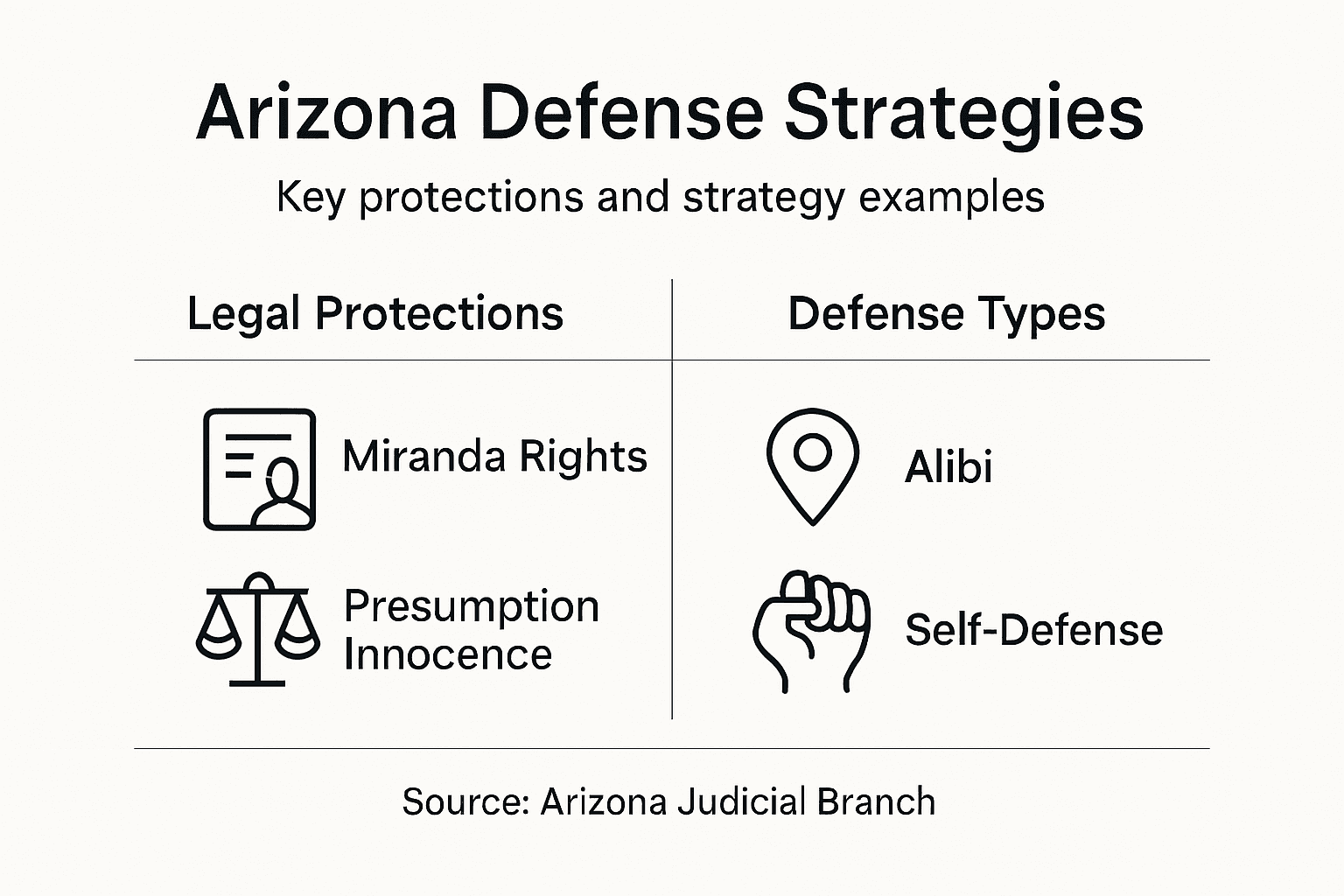
The following table outlines major constitutional amendments and how each protection impacts criminal defense cases:
| Amendment | Key Protection | Impact on Defense Strategy |
|---|---|---|
| Fourth Amendment | Prevents unreasonable searches | Allows exclusion of illegally obtained evidence |
| Fifth Amendment | Guards against self-incrimination | Ensures due process during interrogation |
| Sixth Amendment | Grants fair trial rights | Enables access to legal counsel and witness confrontation |
| Eighth Amendment | Bans cruel and unusual punishment | Ensures humane bail and sentencing |
| Fourteenth Amendment | Guarantees equal protection | Supports challenges to discriminatory prosecution |
Constitutional rights are the invisible armor that protects every citizen from arbitrary governmental action, transforming legal proceedings from potential instruments of oppression into mechanisms of justice.
Defense attorneys leverage these constitutional protections through several key strategies:
- Challenging illegal evidence collection
- Demanding complete disclosure of prosecution evidence
- Investigating potential violations of procedural rights
- Filing motions to suppress improperly obtained evidence
- Ensuring complete access to legal representation
Pro tip: Always request a comprehensive documentation of your arrest and investigation, as minor procedural errors can become significant legal challenges to the prosecution’s case.
How Evidence Is Challenged in Court
Challenging evidence is a critical component of criminal defense, requiring strategic legal maneuvers and deep understanding of judicial procedures. Federal Rules of Evidence provide the framework for how attorneys can effectively contest and potentially exclude evidence that might compromise a fair trial.
Defense attorneys employ multiple sophisticated techniques to challenge evidence:
- Chain of Custody Challenges: Questioning the proper handling and documentation of physical evidence
- Hearsay Objections: Preventing inadmissible secondhand statements from being presented
- Relevance Challenges: Arguing that proposed evidence is immaterial or prejudicial
- Authentication Challenges: Demanding proof of evidence’s legitimate origin
- Constitutional Violation Challenges: Identifying illegal evidence collection methods
The process of suppressing potentially damaging evidence requires meticulous preparation and an intimate understanding of legal procedural rules. Defense lawyers must demonstrate that evidence was obtained through improper means or fails to meet strict legal standards of admissibility.
Evidence challenges are not about concealing truth, but ensuring that only legally and ethically obtained information influences judicial proceedings.
Key strategies for challenging evidence include:
- Conducting comprehensive evidence review
- Identifying potential procedural irregularities
- Filing precise legal motions
- Cross-examining evidence collection witnesses
- Presenting alternative interpretations of forensic findings
Pro tip: Photograph, document, and preserve every detail related to evidence collection, as seemingly minor inconsistencies can become significant legal challenges.
Risks, Mistakes, and Choosing the Right Defense
Navigating the criminal justice system requires a strategic and informed approach, as understanding due process rights is crucial to protecting one’s legal interests. Defendants face significant risks when they do not fully comprehend the complexities of their legal situation or make uninformed decisions about their defense strategy.
Common mistakes that can critically undermine a criminal defense include:
- Self-incrimination: Speaking to law enforcement without legal representation
- Delayed legal consultation: Waiting too long to seek professional legal advice
- Social media sharing: Posting details about the case that could be used against you
- Emotional decision-making: Making legal choices based on immediate feelings rather than strategic considerations
- Inadequate documentation: Failing to preserve evidence or record interactions
The landscape of criminal defense demands a nuanced understanding of legal strategies and potential pitfalls. Legal education and strategic planning are essential in developing a robust defense that protects an individual’s rights and minimizes potential negative outcomes.
Choosing the right defense is not about finding an escape, but about ensuring a fair and just legal process that respects your constitutional rights.
Defendants should consider these critical factors when selecting a defense strategy:
- Thoroughly evaluate the specific details of the case
- Understand potential legal consequences
- Assess the strength of available evidence
- Consider personal circumstances and mitigating factors
- Consult with experienced criminal defense attorneys
Pro tip: Maintain absolute discretion about your case and communicate exclusively through your legal counsel to prevent potential self-incrimination.
Protect Your Rights with Expert Criminal Defense in Arizona
Facing criminal charges in Arizona can feel overwhelming, especially when complex defense strategies and constitutional protections are on the line. Whether you are challenged by evidence disputes or need to ensure your rights under the Fourth, Fifth, or Sixth Amendments are protected, effective legal support is critical. At Tamou Law Group PLLC, we understand the importance of crafting personalized defense strategies like self-defense, alibi, or suppression of illegally obtained evidence to shield you from unjust consequences.

Don’t leave your future to chance. Contact Tamou Law Group PLLC today to get dedicated, professional assistance tailored to your case. Our Scottsdale-based firm handles a wide range of criminal defense cases including DUI, Domestic Violence, Drug Possession, and Assault. Visit Tamou Law Group PLLC now to secure your rights and build a strong defense that puts your interests first. Act quickly as early intervention often determines the success of your defense.
Learn more about how we fight to protect clients’ rights: Criminal Defense Solutions, Legal Guidance in Scottsdale, Arizona Criminal Law Expertise
Frequently Asked Questions
What is a defense strategy in criminal law?
A defense strategy in criminal law is a legal approach designed to protect an individual’s rights and challenge the prosecution’s case. It includes analyzing evidence, looking for legal violations, and presenting alternative narratives to mitigate charges.
What are common types of defense strategies?
Common types of defense strategies include alibi defense, self-defense, insanity defense, mistake of fact, consent defense, and entrapment. Each strategy is tailored to specific circumstances of the case to challenge the prosecution effectively.
How can constitutional rights impact a criminal defense case?
Constitutional rights provide critical protections in criminal defense cases, such as the right against unreasonable searches, the right to a fair trial, and the right to legal counsel. These rights help defend against governmental overreach and ensure fair treatment throughout legal proceedings.
What are the risks of not consulting a defense attorney promptly?
Not consulting a defense attorney promptly can lead to critical mistakes, such as self-incrimination, inadequate documentation, and missing opportunities to challenge evidence. Early legal advice is essential to protect your rights and improve the likelihood of a favorable outcome in your case.
Recommended
- Understanding the Rights of the Accused in Arizona
- Day 60: Self-defense Laws in Arizona: When Is Force Justified? » Tamou Law Group
- Day 6: Understanding Your Rights: The Miranda Warning Explained » Tamou Law Group
- Day 205: 12 Tips for Understanding Your Legal Rights in Arizona » Tamou Law Group

Tamou Law Group
Scottsdale Office
9375 E Shea Blvd #100
Scottsdale, AZ 85260
Phone: 623-321-4699

![The Top 3 Probation Violation Lawyers in Phoenix, AZ [2026]](https://tamoulawgroup.com/wp-content/uploads/2025/11/phoenix-probation-violation-lawyer-300x300.png)
![How to Beat a DUI Charge in Phoenix, AZ [2026]](https://tamoulawgroup.com/wp-content/uploads/2025/08/best-phoenix-dui-lawyers-300x300.png)