
Grand Jury Process in Arizona Superior Courts
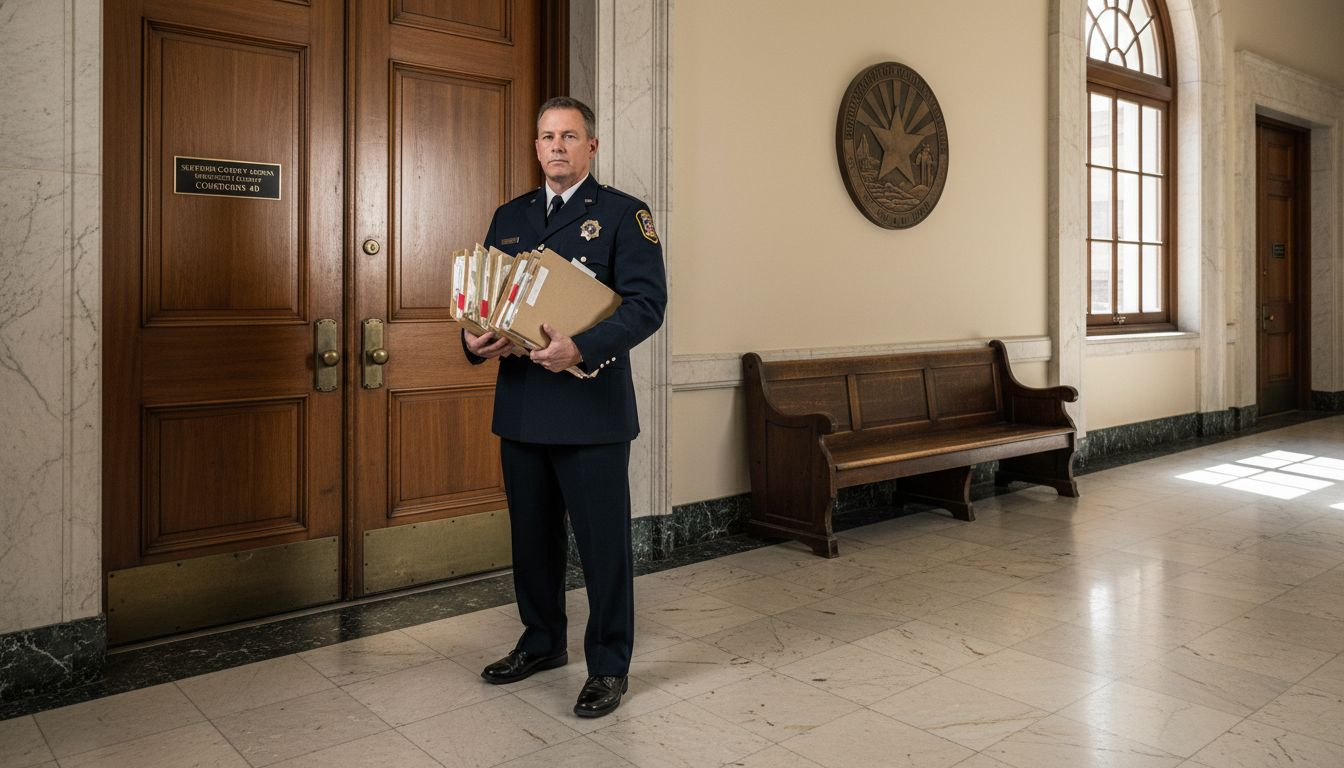
Facing criminal charges in Scottsdale can feel overwhelming, especially when the words ‘grand jury’ enter the conversation. Many people believe a grand jury works just like a trial jury, but this confidential process is far different and plays a unique role in deciding if charges will move forward. Understanding the basics of a grand jury investigation and clearing up common misconceptions is vital for anyone concerned about their future or seeking trustworthy legal guidance.
Table of Contents
- Grand Jury Basics And Misconceptions
- Types And Roles Of Grand Juries
- How Superior Courts Handle Indictments
- Grand Jury Proceedings And Confidentiality
- Rights And Responsibilities For The Accused
- Tamou Law Group’s County Court Experience
Key Takeaways
| Point | Details |
|---|---|
| Grand Jury Purpose | Grand juries assess evidence to determine if there is enough cause to charge someone with a serious crime. |
| Confidentiality Importance | Grand jury proceedings are confidential to protect the integrity of investigations and prevent public speculation. |
| Rights of the Accused | Individuals have the right to silence and must seek legal counsel if facing a grand jury investigation. |
| Local Legal Expertise | Engaging attorneys with experience in local courts can significantly enhance defense strategies during grand jury proceedings. |
Grand jury basics and misconceptions
A grand jury represents a critical component of the criminal justice system, serving as an investigative body that determines whether sufficient evidence exists to formally charge an individual with a serious crime. Unlike trial juries, grand juries operate primarily behind closed doors, conducting preliminary assessments of potential criminal cases.
The grand jury process involves unique characteristics that distinguish it from traditional courtroom proceedings. Federal grand juries investigate potential crimes by examining evidence presented by prosecutors and deciding whether probable cause exists to issue an indictment. Key features of grand jury proceedings include:
- Composed of local community members
- Operates in complete confidentiality
- Does not require the presence of the accused
- Focuses on determining if evidence supports criminal charges
- Typically larger than trial juries (usually 16-23 members)
Misconceptions about grand juries are widespread, often stemming from limited public understanding of their role. Community members evaluate potential criminal charges through a unique investigative process that differs significantly from traditional courtroom trials. Many people mistakenly believe grand juries function like trial juries, when in fact, their primary purpose is to determine whether a case should proceed to formal criminal prosecution.
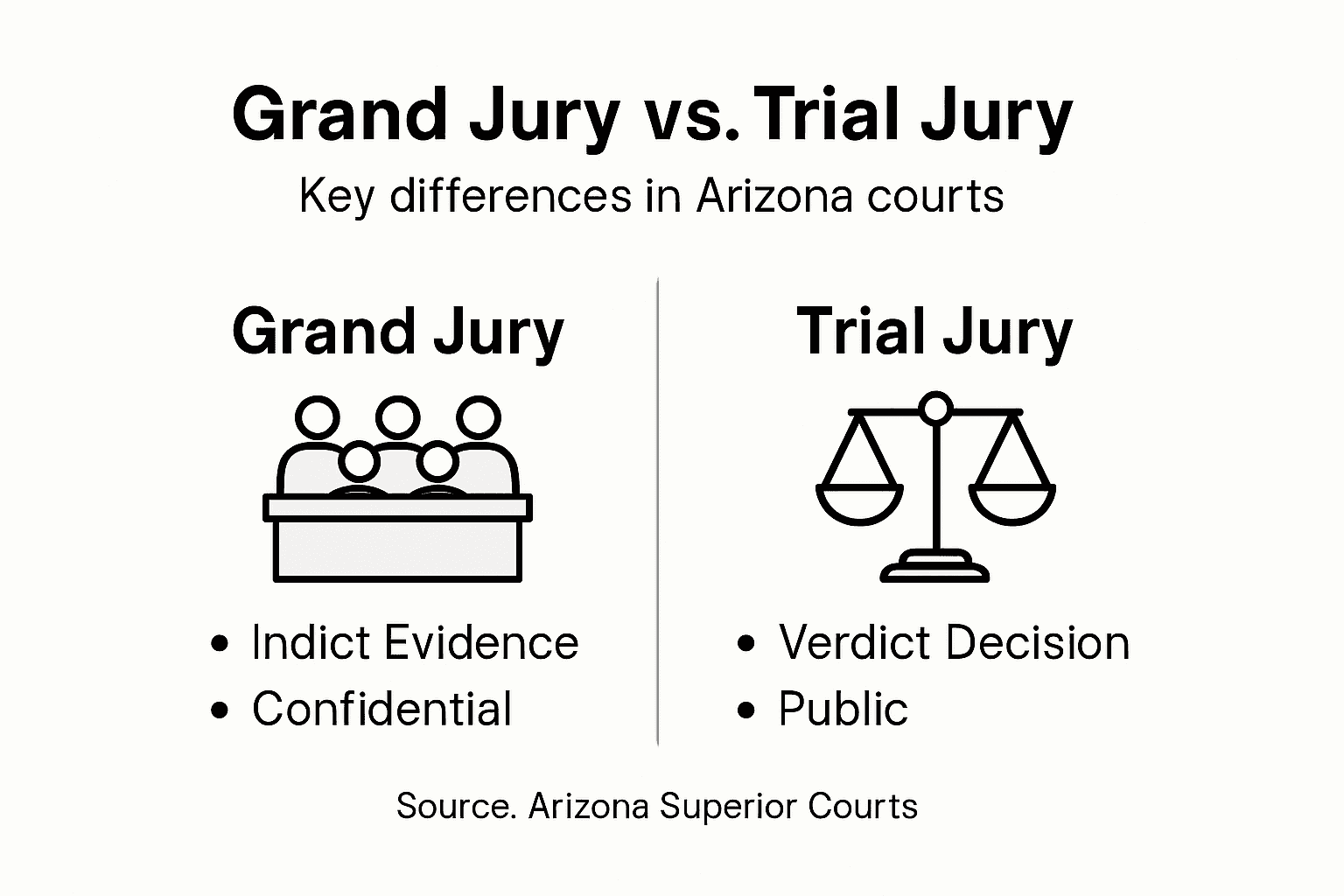
Here’s how grand juries differ from trial juries:
| Aspect | Grand Jury | Trial Jury |
|---|---|---|
| Purpose | Decides on criminal charges | Determines guilt or innocence |
| Number of Members | 16-23 people | 6-12 people |
| Proceedings | Confidential, non-public | Open to the public |
| Involvement of Accused | Not always present | Present and can testify |
| Outcome | Issues indictment if probable cause | Issues verdict after trial |
In Arizona’s Superior Courts, grand juries play a crucial role in counties like Maricopa, Pima, Yavapai, and Coconino. These local grand juries help ensure that criminal charges have a legitimate legal foundation before proceeding to trial, acting as an important safeguard in the judicial process.
Pro tip: If you are potentially subject to a grand jury investigation, consult with a criminal defense attorney immediately to understand your rights and potential legal strategies.
Types and roles of grand juries
Grand juries are complex legal entities with diverse functions within the American criminal justice system. Constitutional grand jury roles extend beyond simple indictment, encompassing critical investigative and protective functions that serve as a crucial check on governmental prosecutorial power.
The primary types of grand juries include:
- Federal Grand Juries: Investigate potential federal crimes
- State Grand Juries: Examine potential state-level criminal charges
- Special Grand Juries: Focused on specific types of investigations or ongoing criminal patterns
- Regular Grand Juries: Convened periodically to review potential criminal cases
Investigative functions represent a significant aspect of grand jury operations. Grand juries evaluate evidence independently and can subpoena witnesses, gather documents, and explore potential criminal activities without the immediate constraints of a traditional courtroom setting. Their secret proceedings allow for more comprehensive and unencumbered fact-finding.
In Arizona’s Superior Courts, grand juries play a nuanced role across counties like Maricopa, Pima, Yavapai, and Coconino. They serve not just as indictment mechanisms but as critical filters ensuring that only cases with substantial evidence proceed to formal criminal prosecution. Grand jurors typically represent a cross-section of the local community, bringing diverse perspectives to the investigative process.
Grand juries act as a safeguard, protecting citizens from unfounded prosecutions by carefully evaluating evidence before allowing criminal charges to move forward.
Pro tip: Always understand that a grand jury indictment is not a determination of guilt, but merely a finding of sufficient evidence to proceed with criminal charges.
How Superior Courts handle indictments
The process of handling indictments in Arizona’s Superior Courts involves a complex and carefully structured legal mechanism designed to ensure fairness and due process. Maricopa County Superior Court manages felony cases through a systematic approach that begins with the grand jury’s initial indictment and continues through various critical stages of criminal proceedings.
The key steps in handling indictments include:
- Initial Review: Judges examine the grand jury’s indictment for legal sufficiency
- Arraignment: Formal reading of charges against the defendant
- Pretrial Motions: Opportunities to challenge the indictment’s validity
- Evidentiary Hearings: Detailed examination of the evidence supporting the indictment
- Case Management: Scheduling and procedural preparations for potential trial
Judicial oversight plays a crucial role in the indictment process. Arizona Superior Courts provide comprehensive jurisdiction to ensure that indictments meet stringent legal standards. Judges carefully scrutinize the grand jury’s findings, verifying that probable cause exists and that the defendant’s constitutional rights are fully protected throughout the proceedings.
In counties like Maricopa, Pima, Yavapai, and Coconino, Superior Courts follow a nuanced approach to indictments. The process involves multiple safeguards to prevent improper prosecutions, including rigorous review of evidence, protection of defendant rights, and ensuring that only well-founded criminal charges proceed to trial. This careful approach helps maintain the integrity of the criminal justice system and protects individuals from unwarranted legal action.
An indictment is not a conviction, but a formal accusation that requires careful judicial scrutiny and protection of the defendant’s rights.
Pro tip: If you receive an indictment, immediately consult with a criminal defense attorney who can help you understand the specific details and potential legal strategies.
Grand jury proceedings and confidentiality
Confidentiality is the cornerstone of grand jury proceedings, creating a protective environment that enables thorough and unbiased investigations. Federal rules strictly control grand jury secrecy to ensure the integrity of criminal investigations and protect the privacy of all individuals involved in the process.
Key aspects of grand jury confidentiality include:
- Limited Attendance: Only specific individuals permitted during proceedings
- Restricted Information Sharing: Severe penalties for unauthorized disclosures
- Witness Protection: Preventing potential intimidation or external interference
- Investigation Integrity: Maintaining the neutrality of the investigative process
- Preventing Premature Judgments: Protecting potential defendants from public speculation
Procedural safeguards play a critical role in maintaining confidentiality. Grand jury secrecy protects investigation integrity by ensuring that witnesses can provide testimony without fear of retaliation or public exposure. Only authorized personnel such as government attorneys, witnesses, interpreters, and court reporters are typically allowed to be present during these highly controlled proceedings.
In Arizona’s Superior Courts, spanning counties like Maricopa, Pima, Yavapai, and Coconino, these confidentiality principles are rigorously enforced. The secret nature of grand jury proceedings helps prevent potential witnesses from coordinating stories, protects the reputation of individuals who may ultimately not be charged, and allows investigators to gather information without compromising the potential case.
Confidentiality in grand jury proceedings is not about hiding information, but about protecting the integrity of the criminal justice process.
Pro tip: If you are called to testify before a grand jury, understand that confidentiality is mandatory and discussing your testimony could result in serious legal consequences.
Rights and responsibilities for the accused
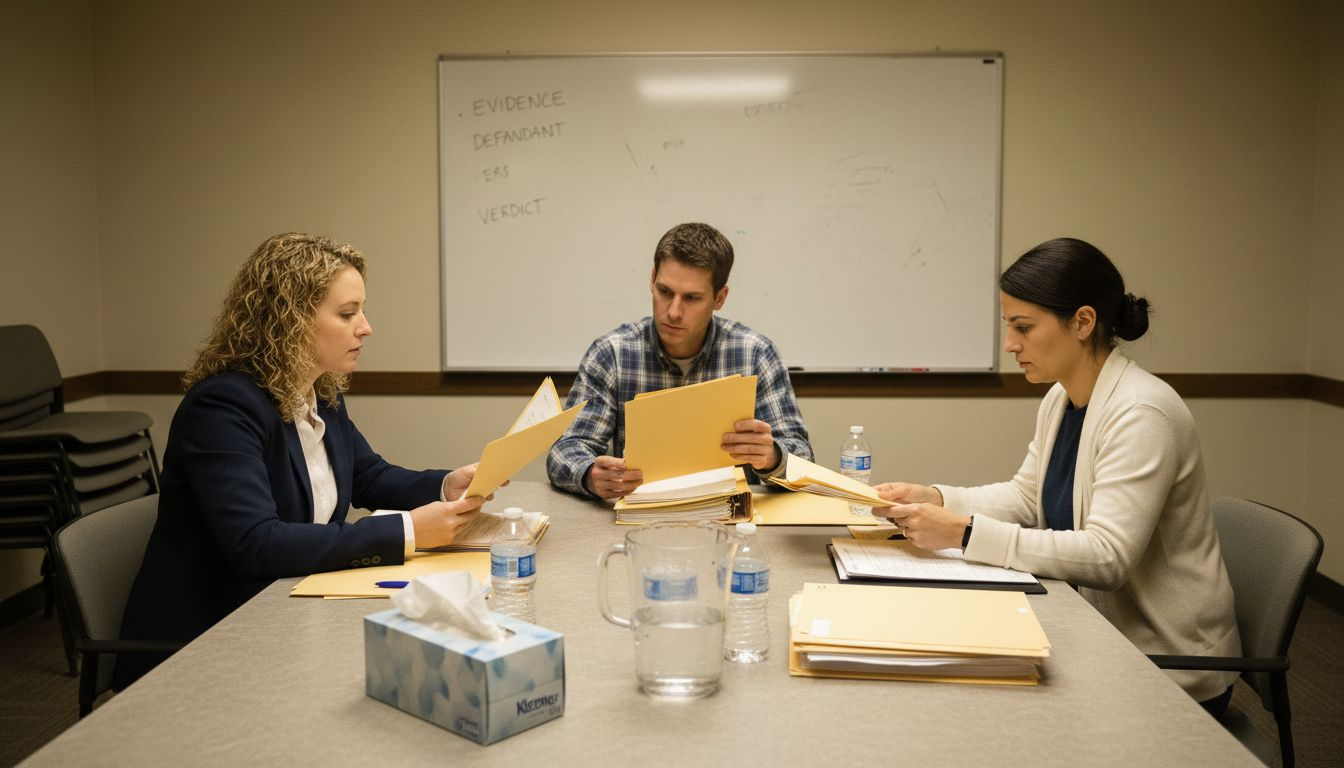
When facing a grand jury investigation, individuals have specific constitutional protections and legal obligations that are critical to understanding the potential criminal proceedings. Constitutional protections prevent self-incrimination during the complex grand jury process, ensuring that the accused maintains fundamental legal safeguards.
The key rights of an individual during grand jury proceedings include:
- Right to Silence: Protection against self-incrimination
- Right to Challenge: Opportunity to contest potential indictments
- Protection Against Double Jeopardy: Preventing multiple prosecutions for the same offense
- Right to Future Trial: Ensuring a fair legal process after indictment
- Privacy Protections: Limiting unauthorized disclosure of proceedings
Legal responsibilities are equally important for individuals potentially facing criminal charges. Accused individuals must respond to formal charges and engage proactively with the legal system. This typically involves consulting with a criminal defense attorney, understanding the potential implications of the grand jury’s investigation, and preparing a strategic response to any potential indictment.
In Arizona’s Superior Courts, which span counties like Maricopa, Pima, Yavapai, and Coconino, these rights are carefully protected. The grand jury process serves as a critical checkpoint, ensuring that criminal charges are not pursued without substantial evidence. While the proceedings remain confidential and do not require the accused’s direct participation, the potential outcomes can significantly impact an individual’s legal standing.
Here is a summary of rights and responsibilities for the accused during grand jury proceedings:
| Category | Description |
|---|---|
| Key Rights | Remain silent, protection from double jeopardy |
| Legal Obligations | Respond to formal charges, seek legal advice |
| Privacy Safeguards | Details protected from public disclosure |
| Post-Indictment | Entitled to fair trial and defense |
The grand jury process is designed to protect both the interests of justice and the rights of the individual accused of potential criminal activity.
Pro tip: Immediately seek legal counsel if you become aware of a grand jury investigation, as early professional guidance can be crucial in protecting your rights and developing an effective legal strategy.
Tamou Law Group’s county court experience
Tamou Law Group has developed extensive experience navigating the complex legal landscapes of Arizona’s Superior Courts, with a particular focus on counties like Maricopa, Pima, Yavapai, and Coconino. Legal resources support court navigation for firms like ours, enabling comprehensive client representation across diverse criminal proceedings.
Key aspects of Tamou Law Group’s county court expertise include:
- Extensive Local Knowledge: Deep understanding of county-specific legal procedures
- Strategic Case Management: Tailored approaches for different Superior Court jurisdictions
- Comprehensive Client Support: Guidance through complex legal processes
- Nuanced Grand Jury Experience: Specialized handling of investigative proceedings
- Multicounty Legal Representation: Consistent high-quality defense across Arizona
Judicial system navigation requires intimate knowledge of local court dynamics. Arizona Judicial Branch resources provide critical support, but experienced legal representation makes the difference in successfully managing criminal defense strategies. Our attorneys leverage deep understanding of county court intricacies to provide strategic defense for clients facing potential grand jury investigations.
In Maricopa County, where legal complexities are particularly challenging, Tamou Law Group has consistently demonstrated an ability to navigate intricate judicial processes. We understand that each county presents unique legal landscapes, requiring adaptive strategies and precise legal maneuvering to protect our clients’ rights and interests.
Local legal expertise transforms complex judicial challenges into strategic opportunities for defense.
Pro tip: Choose a law firm with proven multi-county experience and deep understanding of local court systems to maximize your legal defense strategy.
Protect Your Rights Through Arizona’s Grand Jury Challenges
Facing a grand jury investigation in Arizona Superior Courts can be overwhelming and confusing. The article highlights critical challenges such as navigating confidential proceedings, understanding your rights like the right to silence, and combating potential indictments without a determination of guilt. If you feel uncertain or worried about these complex legal steps, you are not alone. The risk of unwarranted prosecution and the serious consequences of indictments require experienced guidance.
At Tamou Law Group, we specialize in criminal defense with a deep knowledge of grand jury processes across counties including Maricopa, Pima, Yavapai, and Coconino. With a proven track record in handling criminal charges such as DUI, Drug Possession, Assault, and Domestic Violence, we provide comprehensive defense tailored to protect your rights and challenge the prosecution at every turn.

Do not wait for an indictment to control your future. Reach out now to gain strategic legal support from a team dedicated to your defense. Visit Tamou Law Group PLLC to learn how our Scottsdale-based attorneys can help you confidently face grand jury investigations and criminal charges. Early action is your strongest defense for safeguarding your freedom and reputation.
Frequently Asked Questions
What is the purpose of a grand jury in Arizona?
A grand jury serves as an investigative body that determines whether there is sufficient evidence to formally charge an individual with a serious crime, acting as a safeguard in the criminal justice process.
How does the grand jury process differ from a trial jury?
Unlike trial juries, which determine guilt or innocence, grand juries focus on whether enough evidence exists to issue an indictment. Grand juries typically have more members, operate confidentially, and do not require the presence of the accused.
What rights do individuals have during grand jury proceedings?
Individuals have the right to remain silent to avoid self-incrimination, the right to challenge potential indictments, and protections against double jeopardy, along with privacy rights regarding the proceedings.
What steps follow a grand jury indictment in Arizona’s Superior Courts?
After an indictment, several steps follow, including an initial review by judges for legal sufficiency, arraignment where charges are formally read, and potential pretrial motions and evidentiary hearings before possibly proceeding to trial.
Recommended
- Day 207: Understanding the Role of Juries in Arizona Criminal Trials: 7 Key Points » Tamou Law Group
- Day 5: From Arrest to Trial: The Process of a Criminal Case in Arizona » Tamou Law Group
- Day 240: Understanding the Hearing Process in Arizona: A Guide by Tamou Law Group PLLC » Tamou Law Group
- Day 197: 10 Misconceptions About Criminal Trials in Arizona Debunked » Tamou Law Group

Tamou Law Group
Scottsdale Office
9375 E Shea Blvd #100
Scottsdale, AZ 85260
Phone: 623-321-4699

![The Top 3 Probation Violation Lawyers in Phoenix, AZ [2026]](https://tamoulawgroup.com/wp-content/uploads/2025/11/phoenix-probation-violation-lawyer-300x300.png)