
Crime-Scene Reconstruction in a Phoenix Violent Crime Case
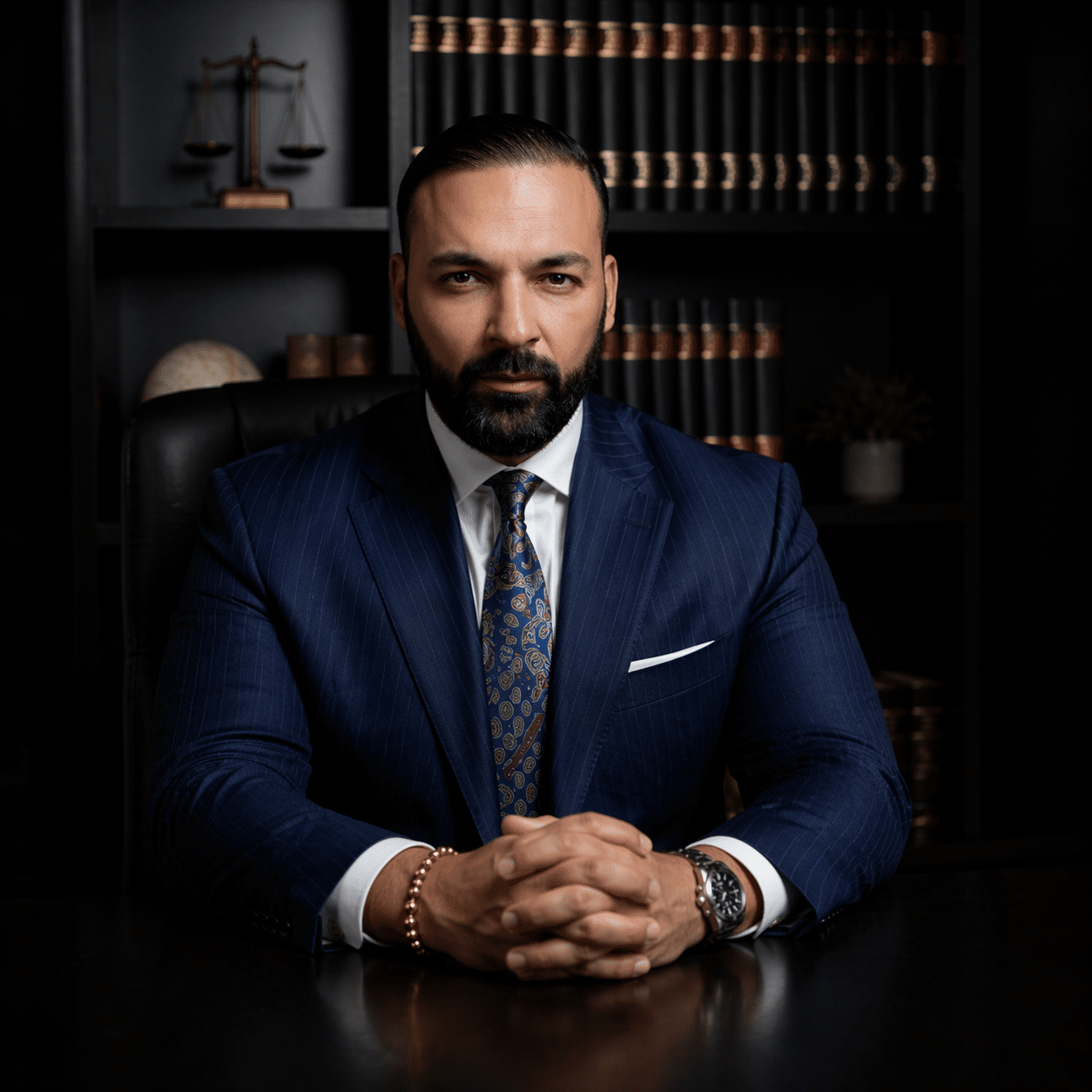
The State tells a story about what happened. A crime-scene reconstructionist tests whether that story is even physically possible, rebuilding the trajectories, positions, and sequence, and it often proves your account, not theirs.
Recognized By



As Seen On

Recognized By

What does a crime-scene reconstruction expert do?
Quick answer: A reconstructionist uses the physical evidence, bullet trajectories, blood spatter, positions, and distances, to rebuild what actually happened and test it against the State’s theory. Because physics does not lie, the reconstruction frequently contradicts a biased or mistaken account.
On This Page
Both Sides
Former Prosecutors · Law Enforcement · Public Defenders
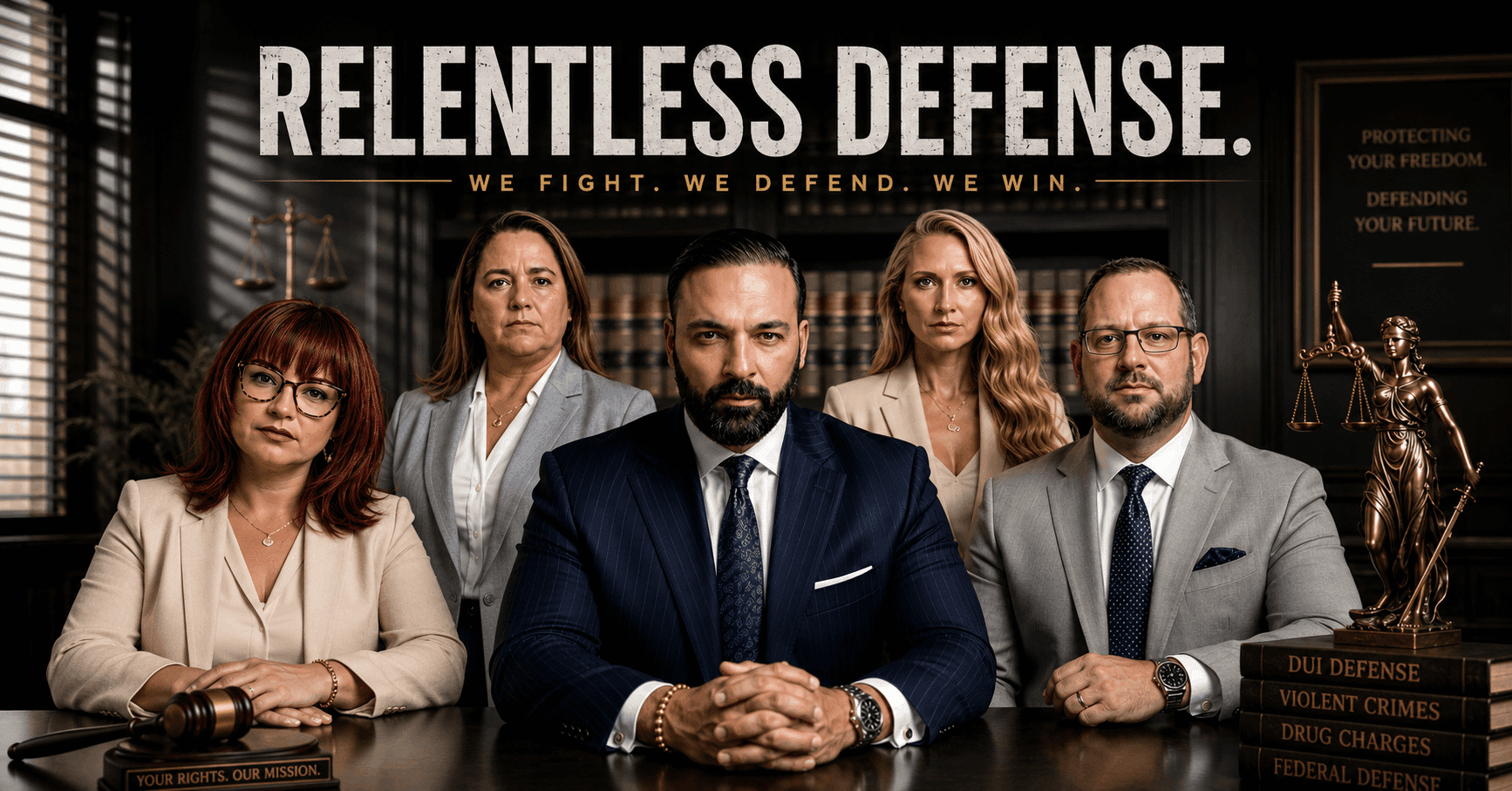
When you call Tamou Law Group, you reach a firm that handles criminal defense exclusively, with serious experience defending violent crime cases across Arizona. Our team includes former prosecutors and law enforcement officers, so we know exactly how the State builds these cases, and where they fall apart.
At many large firms, the name on the building is a marketing figurehead, you rarely get them on the phone and your case goes to a junior associate. When you hire Tamou Law Group, your case is handled by a full team of attorneys, not associates, including Michael Tamou.
Physics Does Not Lie
Witnesses are biased and memories fail; the physical evidence follows objective laws.
Trajectories, spatter patterns, and positions obey the laws of physics, and they cannot be coached. A reconstruction can show that a shooting happened the way you described, from a defensive position, at a different distance, or in a different sequence than the State claims. In a case built on shaky eyewitnesses, that objectivity is decisive.
What a Reconstruction Reveals
The physical facts that confirm, or destroy, a narrative.
- Trajectories and angles, where shots or blows came from, confirming a defensive posture.
- Blood-spatter analysis, where people were positioned and how they moved.
- Distance and range, testing claims about close-range versus distant fire.
- Sequence and timing, whether the State’s order of events is even possible.
- Consistency with self-defense, whether the scene matches a justified response.
Turning the Scene Into Your Best Witness
The reconstruction anchors the whole defense narrative.
A reconstruction pairs directly with use-of-force analysis and forensic pathology to build one coherent, physical-evidence-based account. When the scene proves the encounter unfolded the way you said, the State’s witnesses lose their power.
How We Use a Reconstructionist
They can work from the existing record, even after the scene is gone.
A reconstructionist works from police photos, measurements, diagrams, ballistics, and autopsy findings, so they can rebuild the scene even after it has been released. They may create scale diagrams or 3D models, issue a written opinion, and testify with visuals that make the physics clear to a jury. Earlier involvement means more of the scene and evidence can be independently documented.
The Cases Where This Expert Is Decisive
Any case where the physical evidence and the account do not add up.
Reconstruction is powerful in shooting, drive-by, aggravated assault, and homicide cases.
The Other Experts & Specialists We Bring
A strong violent-crime defense layers several specialists together, part of our full Phoenix violent crimes defense:
The Experts We Bring to Violent Crime Cases
Violent-crime cases are won on the forensics, the use-of-force analysis, and the real story. We bring the specialists who provide it, click any to see how.
Use-of-Force & Self-Defense Experts
Justification
Reconstruct the threat you faced and show the jury why your use of force was reasonable and justified.
Forensic Pathologists
Cause & Manner of Death
Independently review autopsy and injury findings to challenge causation and the State’s theory.
Crime-Scene Reconstructionists
What Really Happened
Rebuild the scene, trajectories, and sequence to test whether the State’s story is even possible.
DNA & Forensic Analysts
Physical Evidence
Re-examine DNA, blood, and trace evidence, and expose contamination and overstated conclusions.
Digital Forensics Examiners
Video & Phones
Analyze surveillance, cell-phone, and social-media evidence that shows who the aggressor really was.
Private Investigators
Witnesses & Motive
Find the witnesses and bias the police overlooked, and the motive behind a false or exaggerated account.
Awards & Recognition
Our recognition for Phoenix violent crime defense is independently verified, click any award to confirm it:
- National Trial Lawyers Top 100
- National Trial Lawyers Top 40 Under 40
- Elite Lawyer 2026 – Criminal Defense
- Super Lawyers – Southwest
- National College for DUI Defense (NCDD)
When you are looking for the best Phoenix violent crime lawyers, these are the independently verified credentials that matter, earned by Founding Attorney Michael Tamou and a full team of attorneys, including former prosecutors.
Why Tamou Law Group for Criminal Defense
Every criminal case in Arizona is decided by what the State can prove, and the State proves less when the defense starts early. We get into cases before charges are filed whenever we can, and we build them on evidence rather than argument.
Results across the spectrum
Our published results include armed robbery and sexual assault cases dismissed, reckless driving dismissed, diversion on drug and theft charges, probation with no jail on aggravated DUI, and a second-degree murder charge reduced. Every case is different, and these show how we fight.
Former prosecutors and law enforcement officers
Our team includes former prosecutors and law enforcement officers, so we know how the State builds a case and where it breaks down. Michael Tamou handled roughly 500 cases a year at the public defender’s office before founding the firm.
Recognized, and available
Michael Tamou is recognized by the National Trial Lawyers Top 100 and Top 40 Under 40, Super Lawyers Southwest and Elite Lawyer 2026. We answer 24/7 from our Phoenix and Scottsdale offices, and we appear in Maricopa, Pima and Pinal County courts.
Published results in this area
- State v. D.O., Armed robbery and aggravated assault (A.R.S. 13-1904, 13-1204): Dismissed
- State v. W.N., Sexual assault and sexual abuse (13-1406, 13-1404): Case dismissed
- State v. C.K., Reckless driving and racing (28-693, 28-708): Case dismissed
- State v. N.K., Possession of narcotic drugs (13-3408, 13-3415): Diversion
- State v. L.S., Aggravated DUI (28-1383): Probation, no jail
- State v. F.N., Second-degree murder (13-1104): Reduced charge
Anonymized outcomes from our case results page. Every case is different; past results do not guarantee a future outcome.
Phoenix Violent Crime Defense FAQs
Quick answers to the questions we hear most.
What is crime-scene reconstruction?
Using physical evidence, trajectories, spatter, and positions, to rebuild what happened and test it against the competing accounts.
Can it prove self-defense?
Often, yes. The angles and positions can confirm you fired or acted from a defensive position, consistent with justification.
Does it work if the scene was already processed?
Yes. A reconstructionist can work from police photos, measurements, ballistics, and reports, and often finds what the State overlooked.
How does it help with identity?
Positions and trajectories can show the shooter could not have been where the State claims you were, supporting mistaken identity.
What is bloodstain pattern analysis?
The study of blood spatter to determine positions, movement, and the mechanism of injury, which frequently contradicts the accuser’s story.
Can it challenge the range of a shot?
Yes. Powder, wounds, and spatter can establish distance, contradicting claims about how a shooting happened.
When should we retain the expert?
Early, so the scene and evidence can be documented before they change or are released. Call 623-321-4699, 24/7.
Who handles my case?
A full team of experienced attorneys, not associates, including Michael Tamou. Call 623-321-4699, 24/7.
Key Takeaways
- Physical evidence follows physics and cannot be coached; it can contradict a biased account.
- Reconstruction tests whether the State’s story is even possible.
- Trajectories and spatter can confirm a self-defense position or mistaken identity.
- A reconstructionist can work from the existing record even after the scene is gone.
- Retain the expert early. Call 623-321-4699, 24/7.
What Clients Say About Tamou Law
Real Google reviews from clients we have defended across Phoenix and Maricopa County. Every review is from a criminal defense client, never padded with non-legal work.
Two Arizona Offices, One Team
We serve all of Maricopa County and the surrounding area, with free, confidential consultations 24/7 by phone and in-person meetings at either office by appointment.
Case Results Disclaimer: The results described on this page are based on specific facts and circumstances and do not guarantee or predict a similar outcome in any future case. Every case is different. Past results do not guarantee future results. No attorney-client relationship is formed by viewing this page or submitting a contact form until a written fee agreement has been signed. Tamou Law Group, PLLC is licensed to practice law in the State of Arizona. This website is for informational purposes only and does not constitute legal advice.